
Why It Felt So Good to Watch People Be Human
A reminder that people are more than their choices
Alona and I weren’t choosing a movie because we were excited.
We were choosing carefully.
Sitting on the couch at night, scrolling through options, there was this quiet hesitation between us. Not because nothing looked good—but because so much of it felt like too much.
The news.
The violence.
The constant drumbeat of outrage and threat and spectacle.
So many stories now—whether movies, shows, or headlines—feel organized around judgment. Someone is right. Someone is wrong. Someone is dangerous. Someone needs to be taken down.
Even when it’s entertaining, there’s a residue.
A tightening.
A subtle bracing that doesn’t end when the credits roll.
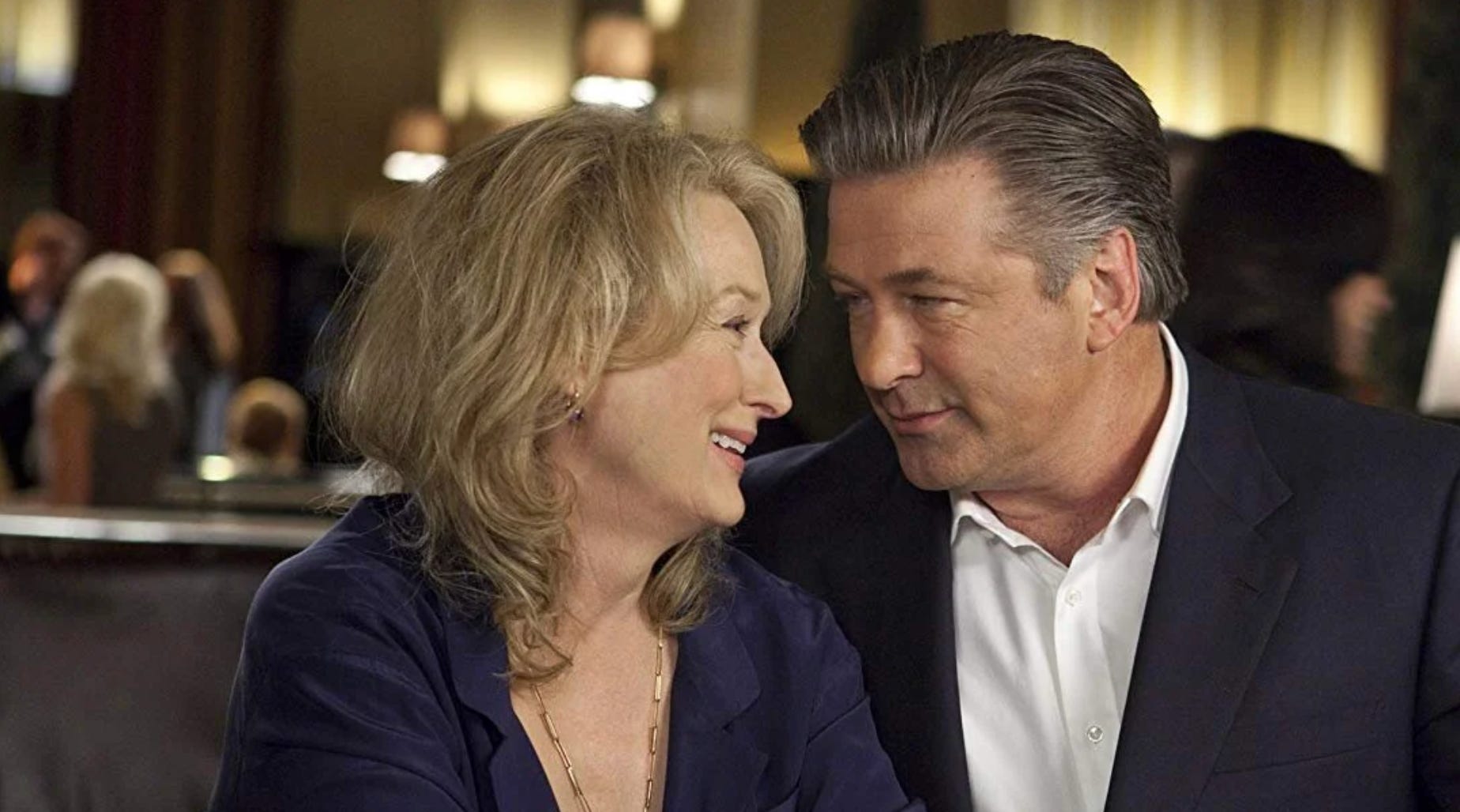
So we chose It’s Complicated.
Not because it’s profound cinema.
But because neither of us wanted to spend the evening inside a story that asked us to decide who was good and who was bad.
What felt different right away
What struck us almost immediately wasn’t the plot.
It was that the movie didn’t seem particularly interested in judging anyone.
Instead of organizing the story around moral choices—who cheated, who lied, who failed—it spent its time building the people.
Their humor.
Their loneliness.
Their insecurity.
Their tenderness.
Their very human ways of missing each other.
The choices mattered. The consequences mattered.
But they weren’t the center of the story.
The characters were.
And in staying with their humanity—flawed, caring, contradictory, complicated—you couldn’t help but care about everyone. Even when they were out of alignment with their values. Even when they were hurting each other.
Humanity instead of morality
There’s a subtle but important difference between stories that focus on morality and stories that focus on humanity.
Morality asks:
What did you do? Was it right or wrong?
Humanity asks:
Who are you? What are you longing for? What are you struggling with?
This movie didn’t ask me to approve of anyone’s behavior.
It asked me to stay close to the people making those choices.
To see that someone could be funny and kind and dishonest.
Strong and capable and lonely.
Trying to love and deeply confused about how.
No one was innocent.
No one was evil.
No one needed to be destroyed for the story to work.
The line that landed in my body
At one point, reflecting on the end of their marriage, the main character says to her ex-husband:
“It’s not all your fault. I pulled away too.”
Not as an excuse.
Not as self-blame.
But as a recognition of shared humanity.
That two people could miss each other.
Hurt each other.
Fail each other.
And still both be real, imperfect, struggling humans.
That line landed in my body like an exhale.
The quiet relief of being seen this way
Watching a story like this is a humble reminder.
A reminder that we are not one-dimensional.
Not fully aligned or fully broken.
Not reducible to our best moments or our worst ones.
We are bigger than that.
Broader.
More textured.
And when stories stay with character instead of judgment, something softens inside me.
My body doesn’t have to stay armed.
I don’t have to decide who deserves care.
I can just stay present with the complexity of being human—mine included.
How this shapes how we see each other
When our inner world is filled with stories that flatten people into moral categories, we start to do the same in real life.
The person who disagrees with us isn’t just wrong—they’re dangerous.
The one who hurt us isn’t just struggling—they’re bad.
The stranger isn’t just unfamiliar—they’re a threat.
And then we wonder why our bodies are tired.
Why connection feels harder.
Why everything feels like a fight.
I don’t think this happens because we’re unkind.
I think it happens because we forget how to stay with humanity when judgment feels easier.
This isn’t about avoiding hard stories
I’m not saying difficult stories shouldn’t be told.
Or that harm doesn’t matter.
Or that integrity isn’t important.
This is more personal than that.
Right now, I’m noticing how much my nervous system is affected by what I take in—by whether a story invites me to see people as whole, or asks me to sort them into right and wrong.
And sometimes, choosing a story that centers humanity feels like choosing my capacity to stay human.
A gentle invitation
You don’t have to change what you watch.
Just notice.
Notice how different stories leave different fingerprints in your body.
After some stories:
Do you feel tighter?
More certain?
More ready to argue or defend?
After others:
Do you feel softer?
More reflective?
More willing to see complexity in yourself and others?
There’s no right answer here. Just information.
And maybe—every once in a while—it’s worth choosing a story that reminds you of something easy to forget:
That most of the time, like the movie says,
it’s complicated.
And so are we.
Coming for paid subscribers:
In the companion post, I walk through how I actually practice this in real life—step by step. I share simple, embodied ways to stay grounded in humanity when judgment takes over, with honest examples from my own marriage, parenting, and reactions to the news.
Wow. Needed this so much